
Virtual Reality in Property Sales
- Mag Newman

- Jun 10
- 2 min read
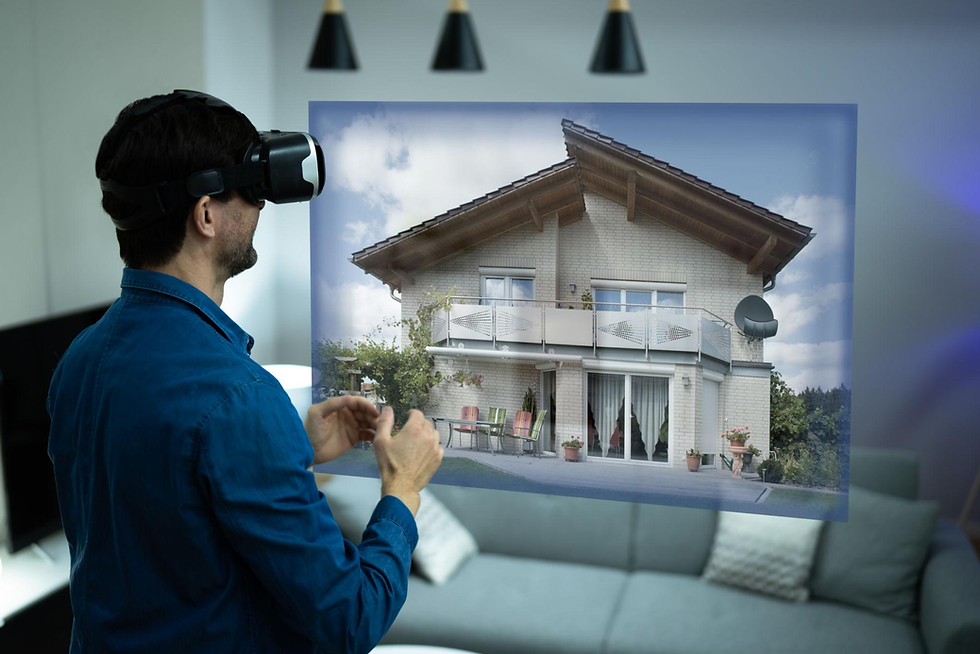
Virtual Reality (VR) is transforming the real estate industry by creating immersive property viewing experiences that allow buyers to explore homes from anywhere in the world. As technology continues to advance, VR is becoming a valuable tool for real estate agents, developers, buyers, and sellers alike.
What Is Virtual Reality in Real Estate?
Virtual Reality uses computer-generated environments to create realistic, interactive property tours. Through a VR headset or compatible device, buyers can virtually walk through a property, examine rooms, and gain a better understanding of the home's layout and features without being physically present.
Convenient Property Viewing
One of the biggest advantages of VR is convenience. Buyers can tour multiple properties remotely, saving time and reducing the need for travel. This is especially beneficial for relocating buyers, international investors, and individuals with busy schedules.
Enhanced Buyer Experience
Traditional photos and videos provide limited perspectives, while VR allows buyers to experience a property's flow, dimensions, and atmosphere in a more realistic way. This immersive experience can help buyers make more informed decisions.
Reaching a Wider Audience
Virtual tours allow real estate professionals to market properties to potential buyers across different cities, states, and countries. Geographic barriers become less significant when buyers can view homes remotely.
Faster Decision-Making
By providing detailed and interactive property experiences, VR helps buyers narrow down their choices more efficiently. Buyers often gain a stronger understanding of a property's suitability before scheduling an in-person visit.
Showcasing New Developments
Developers can use VR to showcase properties before construction is completed. Prospective buyers can explore digital renderings, visualize floor plans, and understand design concepts long before the project is finished.
Cost Savings for Sellers and Agents
Virtual tours can reduce the number of unnecessary in-person showings by attracting more qualified buyers. This can save time and resources for both sellers and real estate professionals.
Increased Engagement
Interactive VR experiences tend to capture buyer attention longer than static images or standard videos. Engaged buyers are often more likely to develop a stronger emotional connection to a property.
Competitive Advantage
Real estate professionals who adopt VR technology can differentiate themselves in a competitive market. Offering virtual tours demonstrates innovation and enhances the overall client experience.
The Future of Virtual Reality in Real Estate
As VR technology becomes more affordable and accessible, its role in property sales is expected to grow. Combined with advancements in artificial intelligence, augmented reality, and 3D visualization, VR may become a standard feature in real estate marketing strategies.
Conclusion
Virtual Reality is reshaping property sales by making home tours more immersive, convenient, and accessible. By allowing buyers to explore properties from virtually anywhere, VR helps improve decision-making, expand market reach, and create more engaging real estate experiences. As technology evolves, VR is poised to become an increasingly important tool in the future of real estate.



Comments